
Rising damp – how do you recognise the problem and what solutions are available?
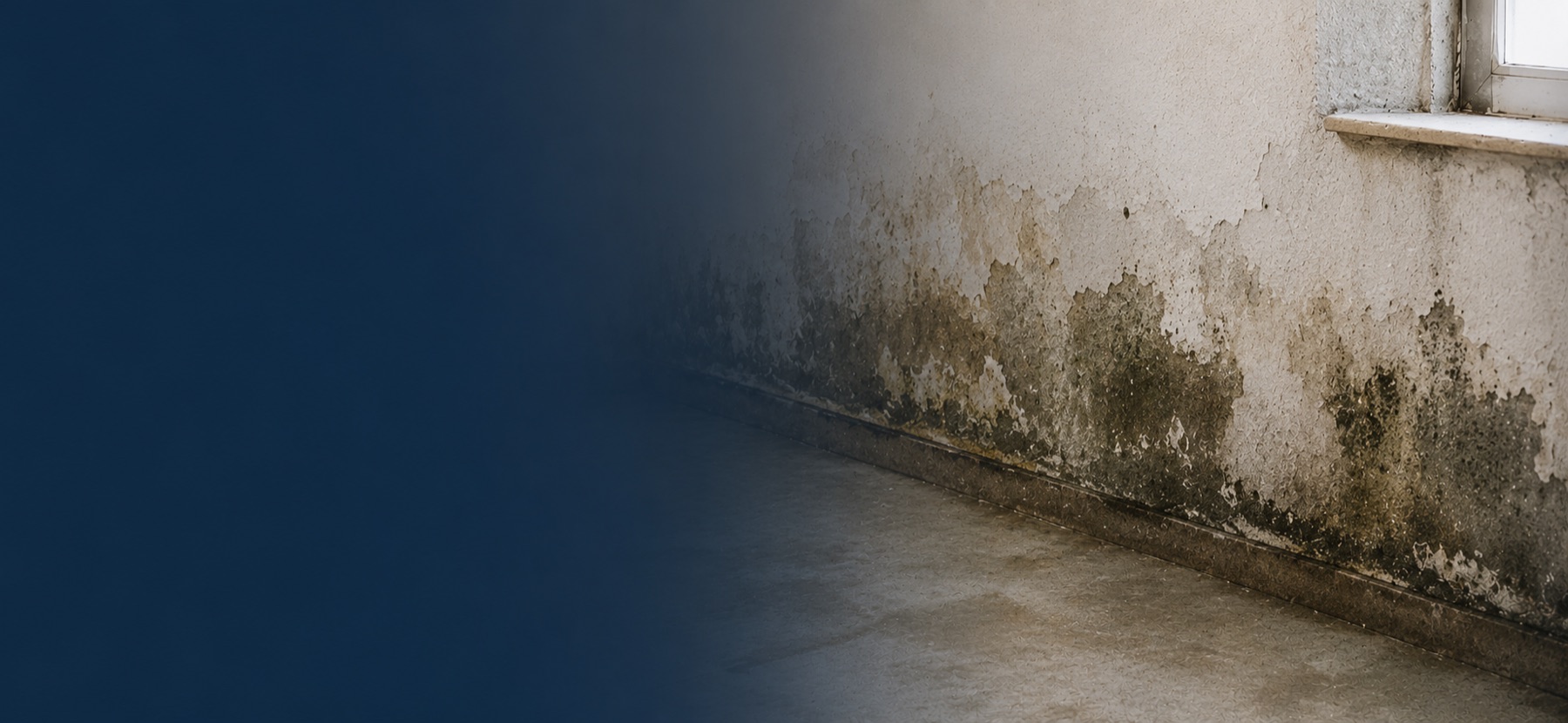
Rising damp from the ground is one of the most common causes of damp problems in Icelandic buildings, especially in older buildings and basements. Although many people associate damp problems with leaks or rainfall, the cause often turns out to be moisture drawn up from the ground into concrete, foundations and walls. Left untreated, this can lead to damp damage, mould and reduced indoor air quality.
What is rising damp?
Soil always contains moisture. When a house stands on a damp foundation, the moisture can travel up through the building materials by what is known as capillary action. This is also called rising damp from the ground or rising damp in concrete.
The problem is particularly common where the damp-proofing is inadequate or has lost its effectiveness over time. That is why damp in an older house is often linked to moisture from the ground.
Common signs of rising damp
Many symptoms appear slowly, so the problem can be present for years before owners notice it.
Common signs are:
- Damp in the basement.
- A wet basement.
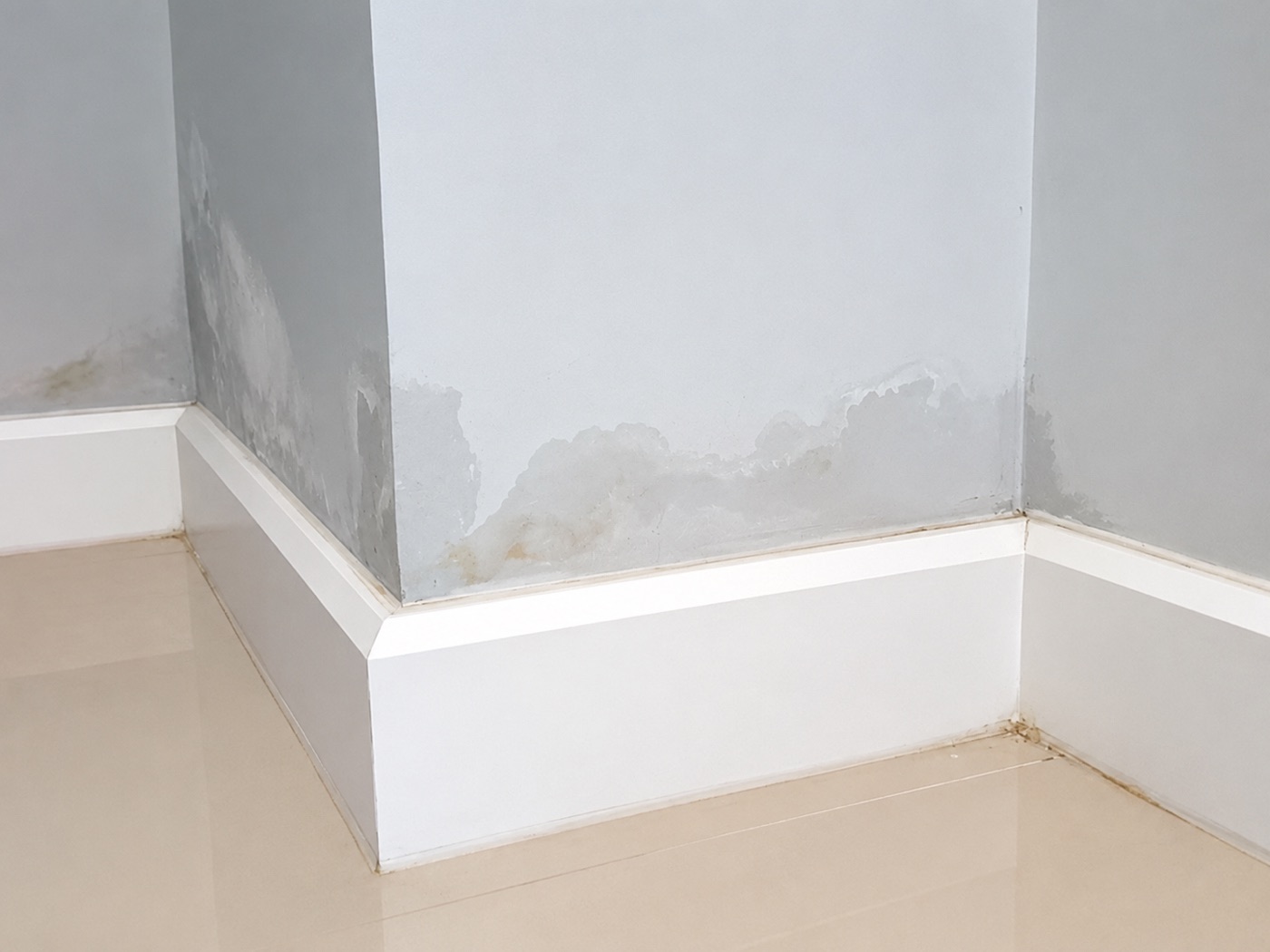
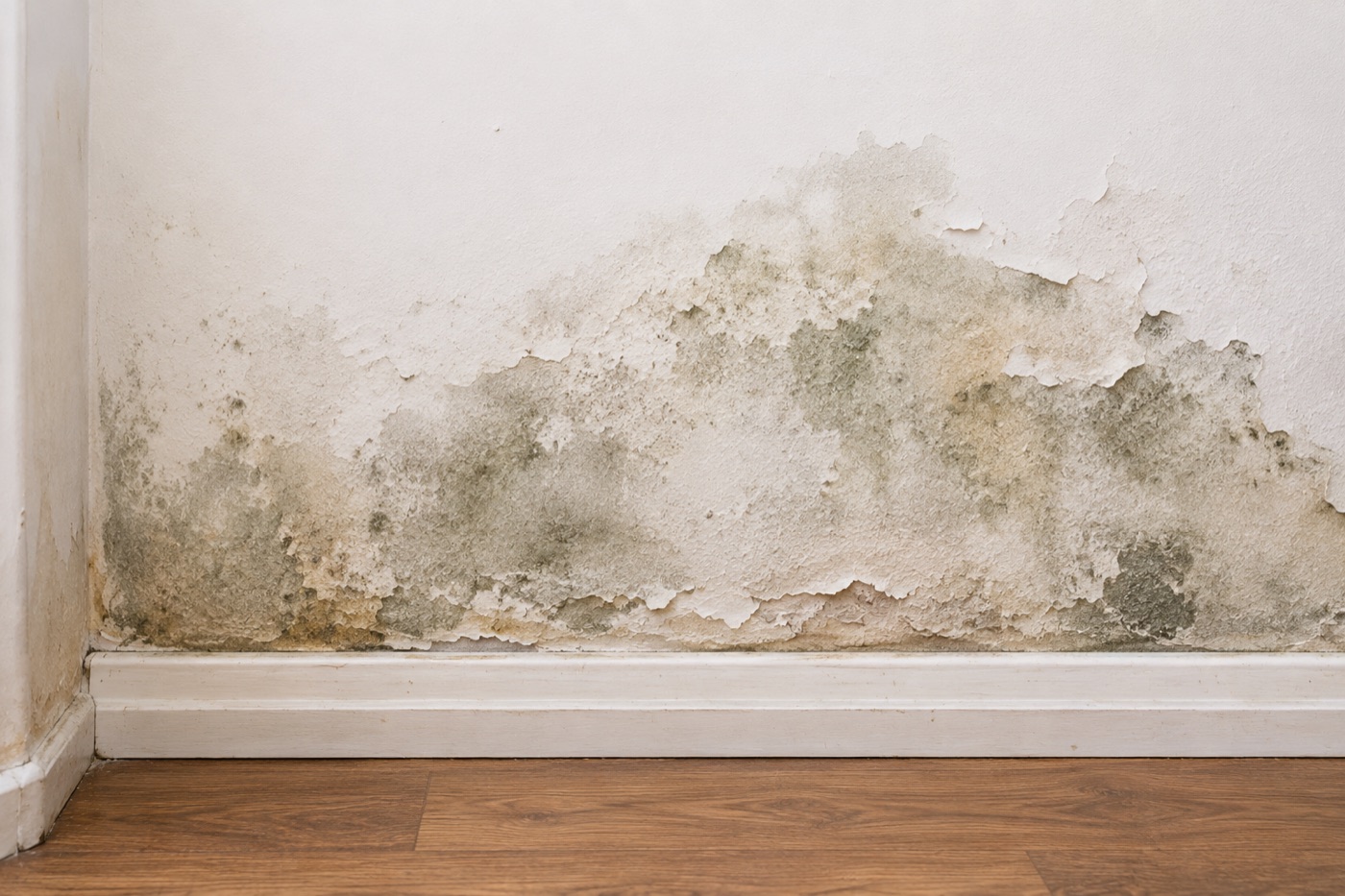
- Damp patches on walls.
- Damp in concrete walls.
- Damp damage in the basement.
- Paint peeling off walls.
- Warping flooring.
- Musty smell.
- Mould in the basement.
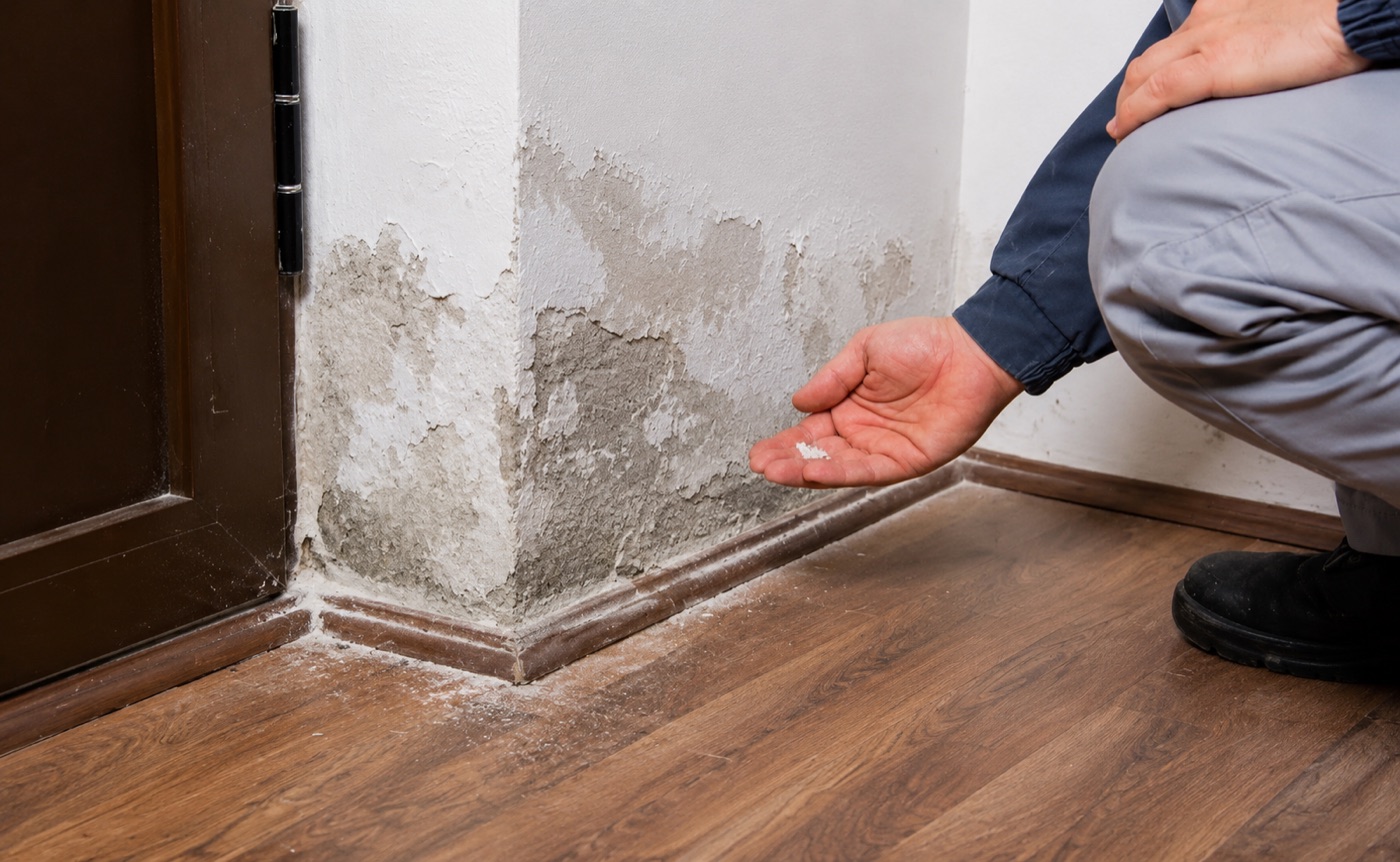
- White deposits on concrete.
- Salt deposits on walls.
Salt deposits on walls are a particularly common indication. As the moisture travels through the concrete it carries dissolved minerals with it, which leave white deposits behind when the water evaporates.
How is the damp problem diagnosed?
Many people assume the damp comes from a leak or rainfall. That is not always the case.
Professional moisture measurements in the building can help to determine whether the problem is:
- Moisture from the ground.
- Leaks from pipes.
- Water ingress from outside.
- Condensation.
- Poor ventilation.
The right diagnosis is the key to finding the right solution. If the cause is rising damp from the ground, painting over the damage or replacing the flooring is rarely enough.
What effects can the damp have?
Persistent damp problems can affect both the building and the people who spend time there.
Damp damage to concrete can cause building materials to deteriorate and increase maintenance costs. The moisture can also create ideal conditions for mould in the building.
Such problems can affect indoor air quality and cause:
- Headaches.
- Fatigue.
- Irritation of the eyes and airways.
- Increased allergy symptoms.
- Unpleasant odours in the building.
That is why it is important to act before the damp damage becomes extensive.

Solutions for rising damp
Solutions for rising damp depend on the cause of the problem, the type of construction and the condition of the building. It is important to identify the source of the moisture before undertaking remedial work.
Common measures can include:
- Improvements to the drainage system.
- Improved damp-proofing.
- Replacement of damaged parts of the building.
- Improvements to run-off and surface water around the building.
Solutions such as damp-proof paint, moisture barriers and chemical injection into walls are also sometimes used. In some cases such methods can temporarily reduce the visible symptoms of the damp, but they do not always address the cause of the problem itself. If rising damp from the ground continues, the problem can return over time.
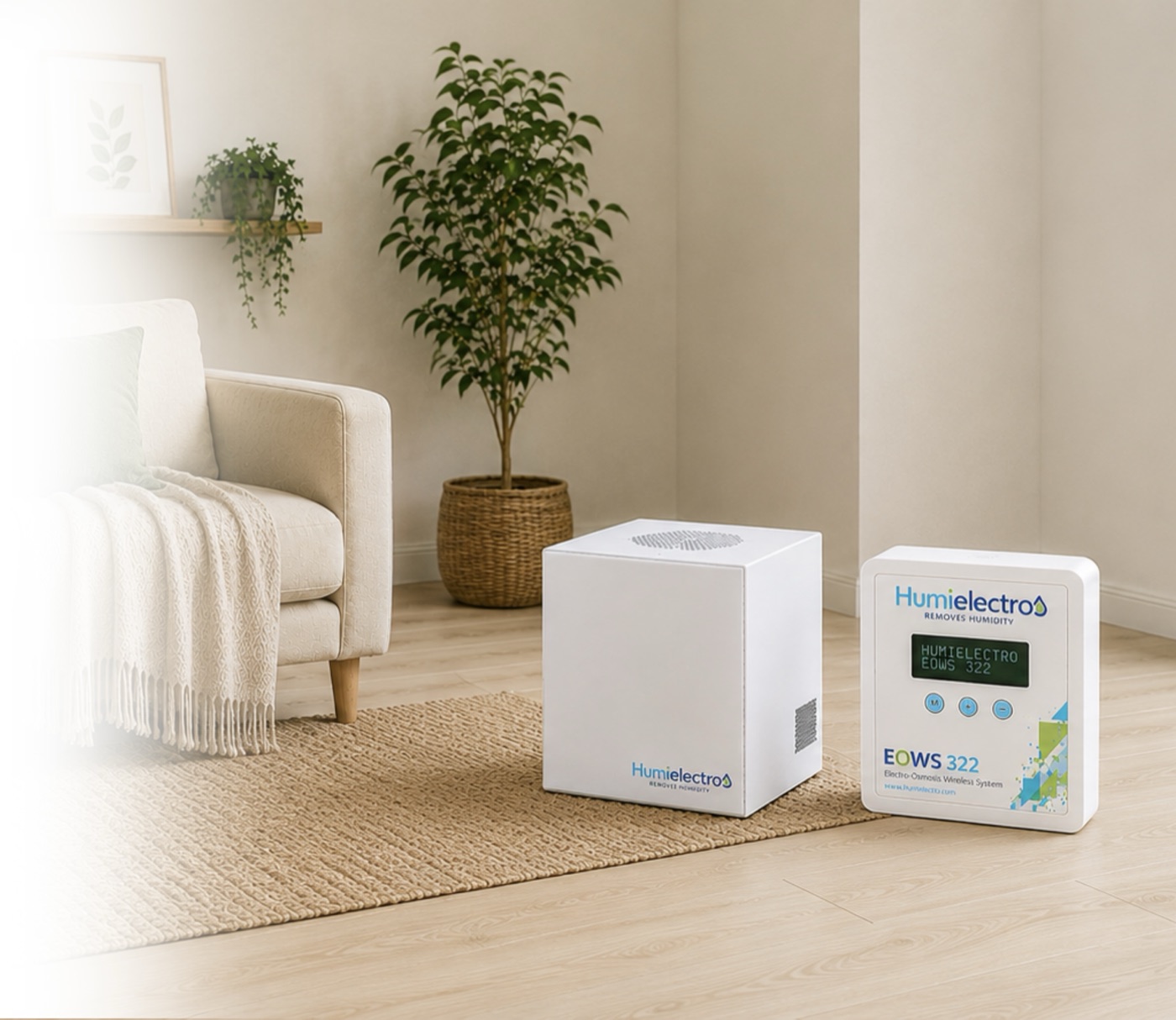
One of the solutions used against rising damp from the ground is electro-osmosis technology. Its aim is to reduce or stop the flow of moisture in building materials by counteracting the process that causes the moisture to rise.
It is important to choose a solution that addresses the cause of the problem and not only the consequences. With the right diagnosis and appropriate remedies, lasting results can be achieved and the risk of further damp damage reduced.
How do I stop rising damp?
One of the most common questions homeowners ask is: "How do I stop rising damp from the ground?"
The answer depends on the circumstances. The first step is always a professional inspection and diagnosis. Once the cause of the damp has been confirmed, it is possible to assess which damp protection for the basement or other parts of the building suits best.
The construction method, the age of the house and the conditions all affect the choice of remedy. When the damp problem can be traced to rising damp from the ground, electro-osmosis technology is one of the solutions that can address the cause of the problem rather than only its symptoms.
When should you seek help?
If you see damp patches on a wall, notice a musty smell, see white deposits on concrete or struggle with recurring damp problems in the basement, it is advisable to seek expert help.
The earlier action is taken, the better the chances of preventing further damp damage and costly repairs.
Conclusion
Rising damp from the ground (so-called capillary action) can cause extensive damp problems if nothing is done. Symptoms such as damp in the basement, damp damage in the basement, damp in concrete walls, salt deposits on walls and mould in the basement are common indications that rising damp from the ground is present.
With a professional diagnosis, moisture measurements in the building and the right solutions for rising damp, both the building and the indoor air quality can be protected for the future.
Are you struggling with rising damp?
Discover the electro-osmosis solution
Electro-osmosis technology has been used in thousands of buildings around the world to tackle rising damp from the ground. Find out how the solution works and whether it suits your property.
Get in touch with us today
We help you find the right solution and the best offer at a price that suits you.